Image enhancement

Use a vanceai image enhancer online with a clear plan

If you are looking for a vanceai image enhancer online, start with the image you have and one specific problem to fix. This guide explains how to prepare a browser-based request, judge the preview, and avoid mistaking a larger image for a sharper one.

Available tools depend on the destination
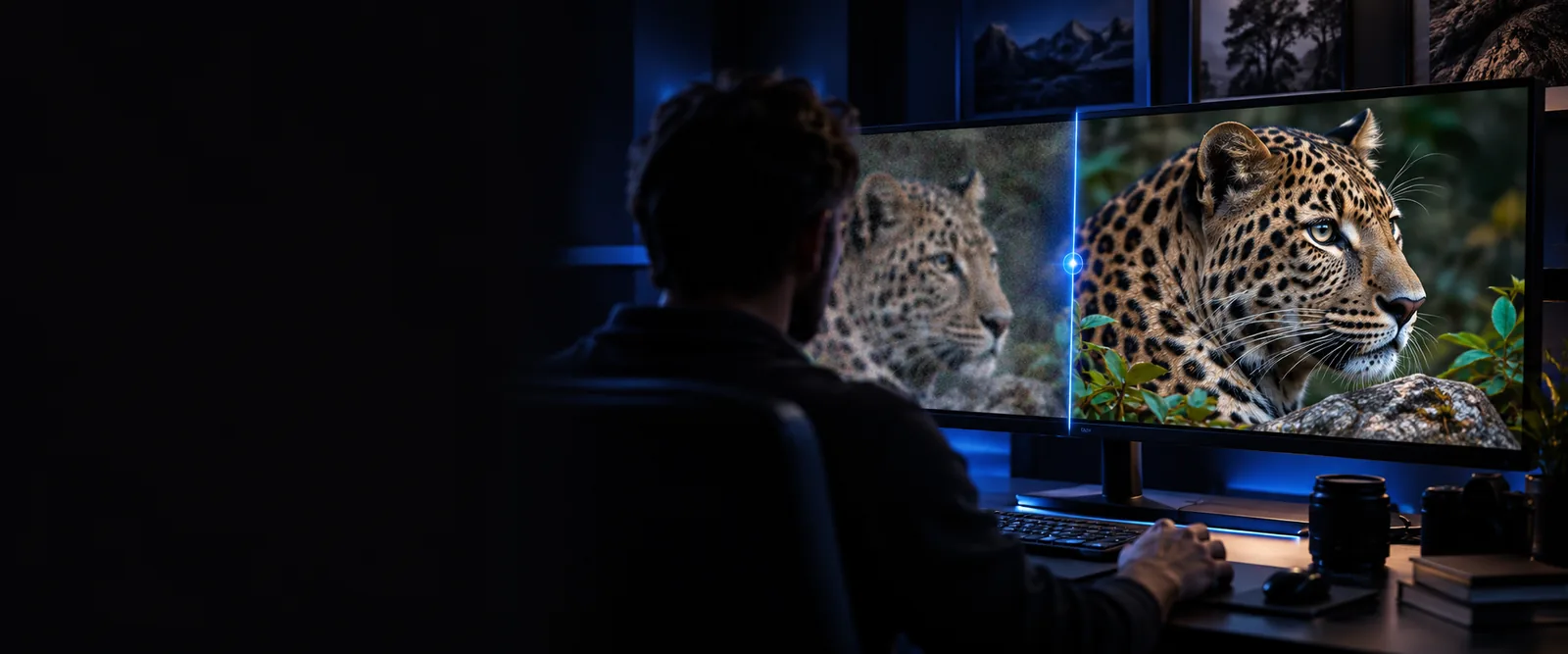
Illustration of image editing and enhancement

Choose a goal for your image

A useful online edit starts with a narrow goal. These examples separate general enhancement from tasks that need a different approach.

Marketplace seller

A product photograph looks dim, but its color must remain believable. The seller keeps the original and asks for restrained brightness and contrast changes.

Compare the result against the actual product rather than judging brightness alone.

vanceai image enhancer free

Family archivist

A scanned portrait has scratches as well as weak contrast. Removing damage is a different request from simply sharpening the scan.

Identify which defects need restoration before trying a general enhancement.

vance ai photo restorer

Blog editor

A small header image looks soft at its intended display size. The editor checks its dimensions before deciding whether more pixels would help.

Separate enlargement from changes to tone, noise, and apparent sharpness.

vanceai image upscaler free

Document owner

A photographed page is hard to read because it is skewed and unevenly lit. Strong sharpening could make letters look harsher without fixing the layout.

Decide whether the source needs document cleanup rather than a photo edit.

vanceai pdf enhancer

One full run-through

Use the same source image for each attempt so that differences remain visible.

Inspect and preserve the source

Open the original at the size where it will be used. Note whether the main issue is noise, blur, low contrast, or insufficient dimensions, and save an untouched copy. For a private image, consider whether sending it to any online service is appropriate.

Request one restrained change

Describe the subject and the defect in plain language, such as reducing low-light noise while retaining facial texture. Follow the destination's available workflow; a text prompt, upload control, preview, or particular format should not be assumed until it is shown there.

Compare before keeping the result

View source and result at the same zoom. Check edges, text, faces, and smooth areas for invented detail or waxy texture. If the change is too strong, revise the request or return to the original rather than repeatedly processing an already altered copy.
Options table

Enhancement and upscaling can overlap, but they answer different questions about an image.

General image enhancement Image upscaling
1

Primary aim

General image enhancement

Improve the image's visible appearance.

Image upscaling

Increase its pixel dimensions.

2

Typical starting problem

General image enhancement

Noise, weak contrast, or flat-looking detail.

Image upscaling

An image that is too small for its intended display.

3

What to inspect

General image enhancement

Natural texture, color, and edge quality.

Image upscaling

Output dimensions and believable fine detail.

4

Risk

General image enhancement

Overprocessing may smooth faces or exaggerate edges.

Image upscaling

Extra pixels may look detailed without recovering real information.

5

Best comparison

General image enhancement

Source and result at the same viewing size.

Image upscaling

Source and result at the intended display size.

6

If the source is damaged

General image enhancement

Enhancement may leave scratches or missing areas intact.

Image upscaling

Enlargement may make existing damage more obvious.

What fails

An online enhancement request cannot recover information that the source never captured.

Severe motion blur

A streaked face or unreadable sign has lost distinct detail. Sharpening can emphasize the streaks or create convincing-looking features that were not recorded.

WorkaroundUse a sharper source frame when one exists, and treat any reconstructed detail as an interpretation.

Tiny source images

A very small file may not contain enough information for natural hair, fabric, or lettering. Enlarging it changes its dimensions, not the certainty of those details.

WorkaroundFind the original export before trying an online enlargement.

Sensitive uploads

A browser workflow may send an image to a third-party service. This page cannot verify a destination's storage, deletion, or access practices for your particular file.

WorkaroundRead the destination's current privacy terms or use an offline workflow for sensitive material.

Guaranteed output controls

The linked destination may offer different editing methods, file support, and export choices from those expected in a Vanceai workflow.

WorkaroundCheck the controls actually displayed before relying on a format or feature.

Continue with a specific image goal

Make your next edit easier to judge

Start with an untouched source and describe one visible problem. The destination at /go is a separate product, so check its available controls and terms before submitting an image; then compare any result at the size you intend to use it.

  • Keep the original
  • Request one change
  • Inspect the result closely

FAQ

An online workflow generally runs through a browser rather than a locally installed editor. Check the particular service's current requirements before starting, since available features and access conditions can change.

Choose based on the problem you can see. If the image is noisy or dull, test a restrained enhancement; if it is too small for its intended placement, assess its dimensions and consider upscaling. Keep the original for each test.

It may improve the appearance of mild softness, but it cannot reliably retrieve detail that was never captured. Inspect faces, lettering, and straight edges closely because generated or oversharpened detail can look plausible at first glance.

That depends on the image and the service's current data practices. Review its privacy and retention information before uploading; for highly sensitive material, consider an offline editor instead.

Start creating
Start creating